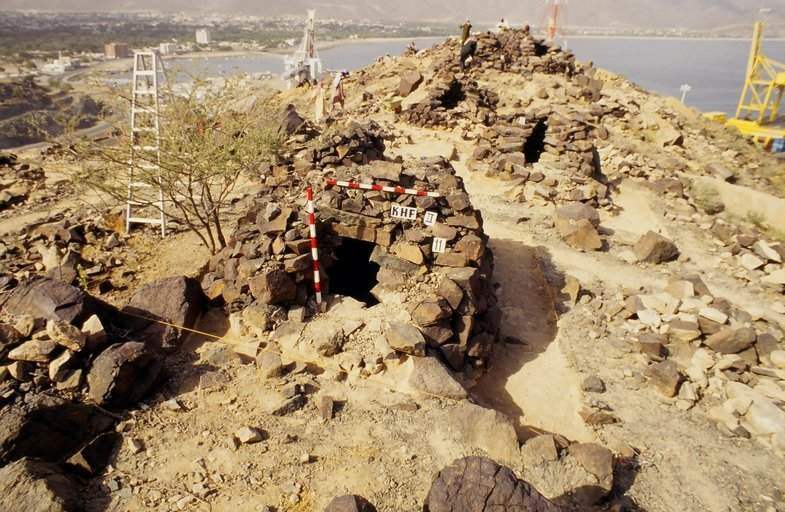

Jebel Buhais is located in the central sector of the Emirate of Sharjah and rises approximately 340 metres above the surrounding plain. The mountain consists of limestone layers dating back approximately 60–65 million years. Extensive archaeological excavations have been carried out on the mountain slopes and in the surrounding area over recent years. These excavations have uncovered a large cemetery containing numerous graves from different periods, ranging from the Neolithic period through the Bronze and Iron Ages to the Hellenistic period. The remains of the Neolithic burials and the neighbouring settlement have been dated by radiocarbon analysis to the beginning of the fifth millennium BCE. The Bronze Age is represented by numerous graves dating to the first half of the third millennium BCE, as well as the Wadi Suq period, dated to the first half of the second millennium BCE.
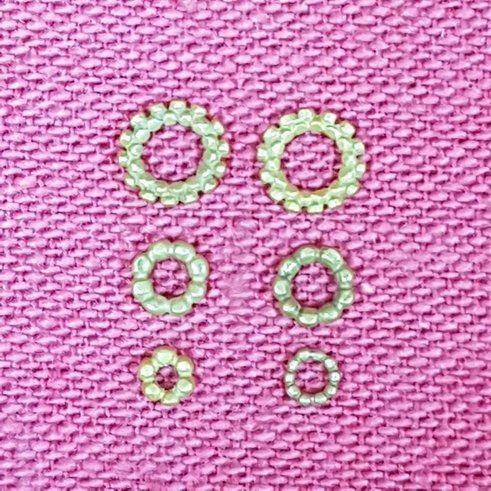
The graves from these periods include a variety of burial types, including large stone-built tombs constructed above ground and others built underground. One tomb is considered particularly distinctive and unique, with no comparable example yet identified anywhere in the Oman Peninsula. It was constructed in the shape of a four-leaf clover, consisting of four circular chambers, with an entrance in the centre facing east that leads to the inner burial chambers. Numerous human skeletons were discovered inside, accompanied by a rich collection of grave goods, including painted pottery vessels, stone vessels, metal weapons, and personal jewellery. Other types of underground tombs from the Wadi Suq period have also been identified, containing large quantities of archaeological objects and artefacts.
Alongside these burials, the Buhais cemetery contains graves dating to the Iron Age, which spans the first millennium BCE. Most graves from this period took the form of simple pits dug into the ground and were used for both individual and collective burials. Iron Age inhabitants also reused tombs constructed during earlier periods for burial purposes. Another important feature is the use of naturally occurring caves and rock shelters on the mountain slopes for burials. These were reinforced with additional stone walls and adapted for funerary use. Numerous skeletons and a large number of archaeological finds were discovered inside these caves, particularly pottery vessels characteristic of the Iron Age, as well as metal objects such as vessels and weapons. Of particular note is a collection of bronze arrowheads, some of which feature decorative grooves. In addition, a small number of graves dating to the Hellenistic period were found on the slopes of Jebel Buhais, containing distinctive glass vessels.
Related Sites

Mleiha Tomb (Umm Al Nar Period)
Mleiha Tomb (Umm Al Nar Period)
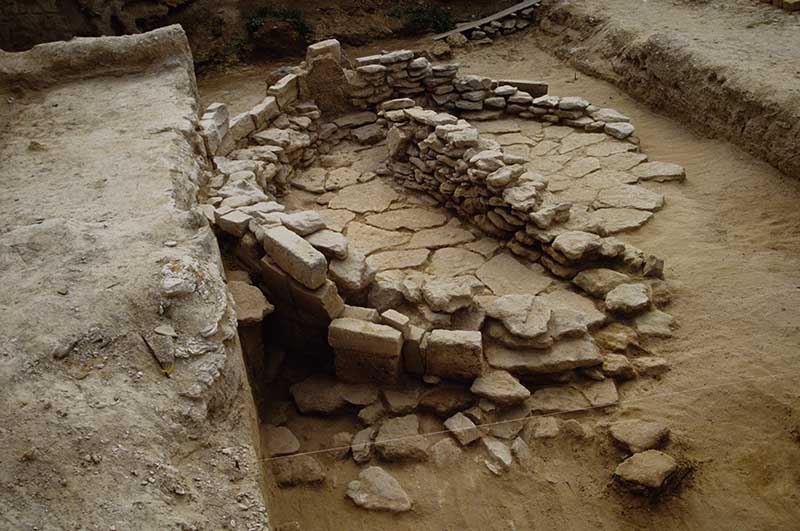
Tell Abraq Site