

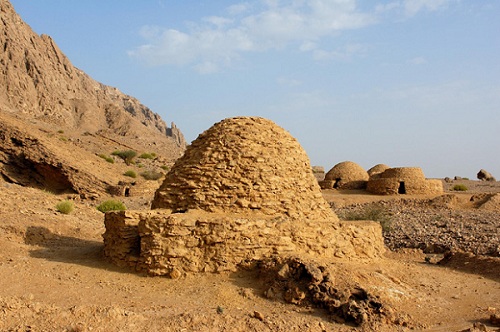
The Hafit Tombs are a group of tombs dating back to the late fourth millennium BCE. They were built using local stones arranged in closely fitted courses and feature a circular shape, with walls that slope inward to form a dome-like structure at the top. Each tomb has a single burial chamber and one entrance, usually located on its southern side.
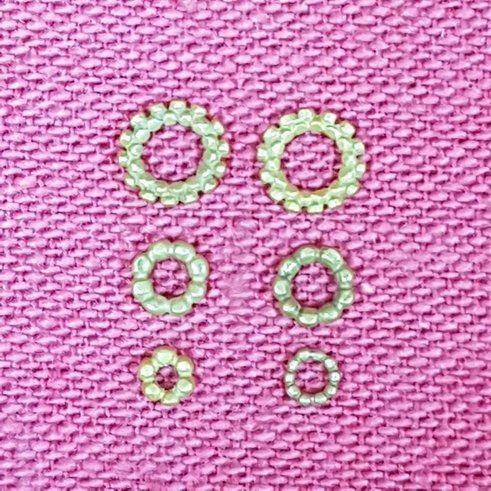
Archaeological finds from the Hafit Tombs include small pottery vessels imported from Mesopotamia, belonging to what is known as the Jemdet Nasr pottery tradition. These finds provide evidence of cultural exchange in the region, particularly through trade. Other discoveries include a collection of decorative beads and copper tools.
Related Sites

23rd Nov 2020
Mleiha Tomb (Umm Al Nar Period)
23rd Nov 2020
Mleiha Tomb (Umm Al Nar Period)
23rd Nov 2020
Jebel Buhais Site
23rd Nov 2020