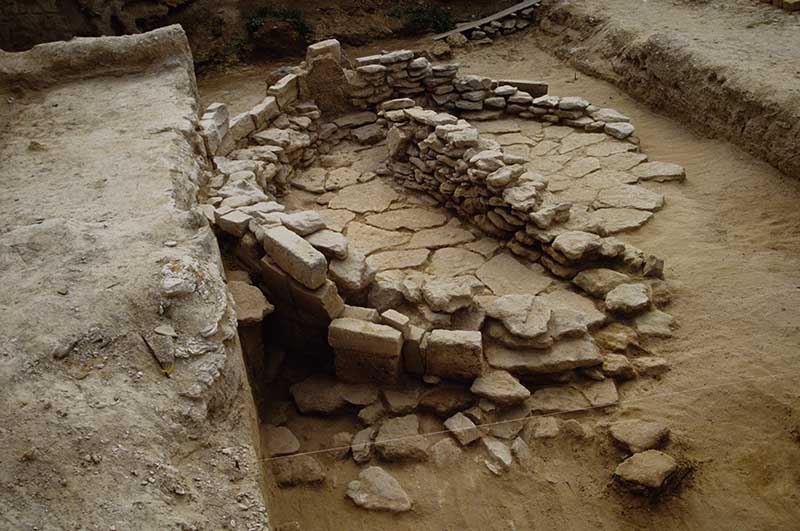

The site was discovered in 1994, revealing settlements dating back to the third millennium BC. It extends over a large area, and archaeological excavations are still ongoing. Residential settlements and tombs have been uncovered, the most notable being a large circular tomb measuring 6.2 metres in diameter.
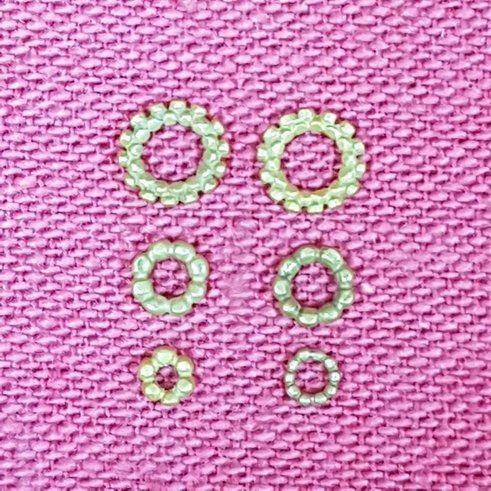
The tomb was constructed according to the architectural style of the Umm Al Nar civilisation, using large sandstone blocks. Internally, it is divided into two main sections, each containing three burial chambers with separate entrances. Human skeletal remains were found inside each chamber, accompanied by grave goods, including pottery vessels, stone vessels of various shapes and sizes, bronze daggers and jewellery, as well as thousands of beads.
The site also revealed evidence of substantial human activity, including large quantities of charcoal and ash, fish bones and marine shells. These findings indicate that this period witnessed a notable increase in population, accompanied by trade relations with Mesopotamia, Bahrain, Iran and the Indus Valley.
Related Sites

Mleiha Tomb (Umm Al Nar Period)
Mleiha Tomb (Umm Al Nar Period)
Jebel Buhais Site