

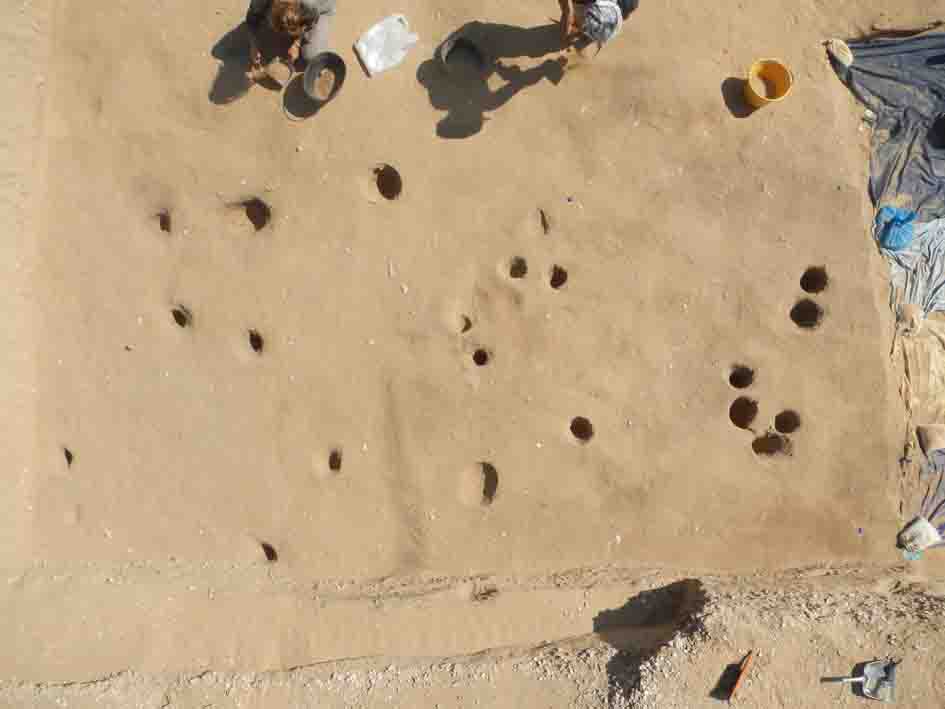
Umm Al Quwain 2 Site
The Umm Al Quwain 2 site is located in the Al Shubeikah area, on the edge of Umm Al Quwain Lagoon, approximately 14 km north of Umm Al Quwain City. It consists of a sandy mound that represents a major ancient landform in the United Arab Emirates, formed at the end of the Ice Age. During the Neolithic period, rising sea levels led to the formation of a creek that cut through the area, creating this prominent elevated feature by at least the middle of the sixth millennium BC, coinciding with the earliest known human settlement at Umm Al Quwain 2 during the Middle Neolithic period. The archaeological site extends approximately 400 metres east and west of the mound, which stands about 10 metres high.
The site was discovered by a British archaeological mission in 1992, led by Carvel Phillips, who conducted excavations over two consecutive seasons in 1992 and 1993. The excavations revealed a communal burial containing approximately 40 human skeletons, attributed to the Neolithic period based on the chronological sequence of the artefacts discovered and the dating of Ubaid pottery sherds.
The French archaeological mission resumed work at the site in 2011 under the direction of Dr Sophie Méry, in collaboration with the specialist local team from the Department of Archaeology and Heritage in Umm Al Quwain. Excavation and research continued through 2016. During these years, clear archaeological evidence emerged of settlement across an extensive area of the site, dating to approximately 7,500–7,300 years before present.
Related Sites
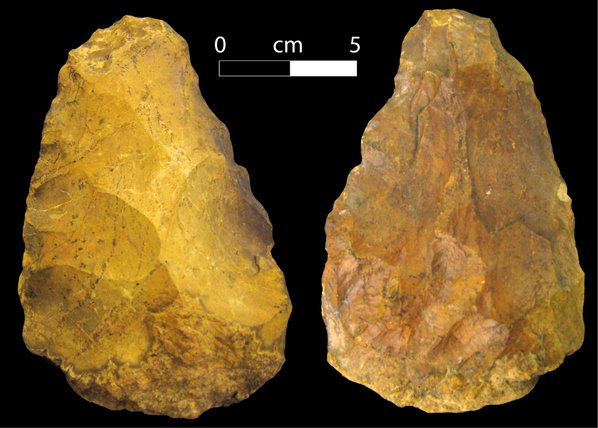
Suhaila Site
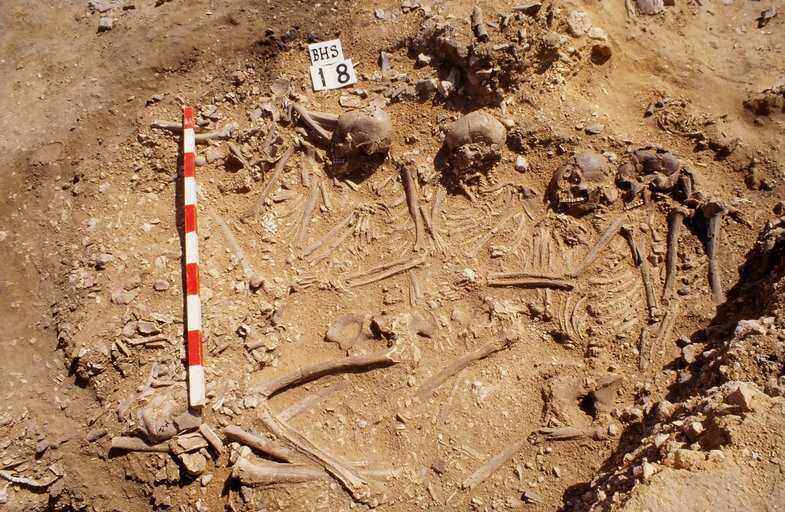
Jebel Buhais Site (Buhais 18)
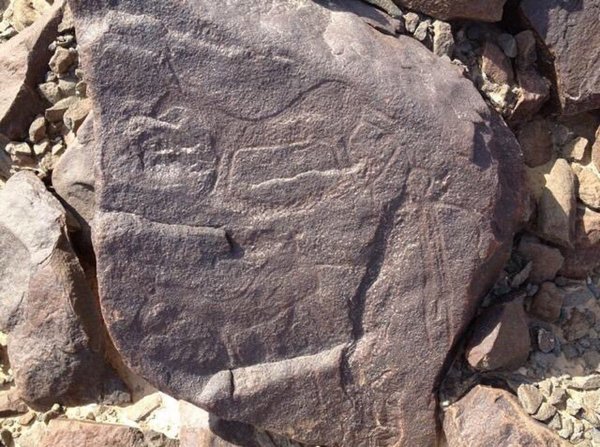
Khatm Milahah Site
