Please ensure Javascript is enabled for purposes of website accessibility
Element Name
خض اللبن
Other Names
خضاضة اللبن
Practice Environment
جميع البيئات
Practice Location
جميع إمارات الدولة
Scope of Practice
النساء
Heritage Domain/ Category
الحرف والمهن التقليدية
Current Status
تراث مستمر (حيَ)

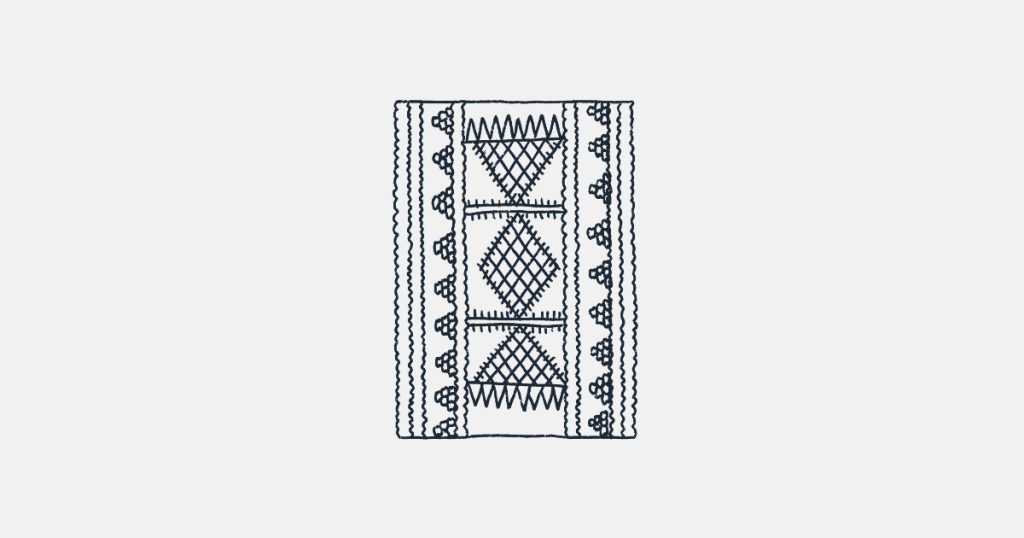
خض اللبن

هو عملية تحويل الحليب الطازج إلى لبن رائب أو زبدة في حياة الإماراتيين قديماً. كانت النساء يقمن بهذا العمل يوميًا تقريبًا، حيث يُوضع الحليب في وعاء جلدي يُسمى "السعن" أو "القِربة"، ثم يُعلّق على عمود خشبي أو في السقف. بعد ذلك تُهز القربة بحركة متواصلة تُسمى "الخض" حتى ينفصل الدهن (الزبدة) عن السائل (اللبن). هذا العمل لم يكن مجرد مهنة منزلية، بل عادة اجتماعية؛ إذ تجتمع النساء ويتعاونّ في الخض، ويرددن الأهازيج الشعبية أثناء العمل. اللبن الناتج كان غذاءً أساسيًا في حياة الامارتيين، حيث يُشرب مباشرة أو يُستخدم في إعداد وجبات مثل السمن واللبن الرائب و يطبخ على النار حيث يصبح جامي و يحول حيث إلى يقط. خض اللبن يعكس الاعتماد على الطبيعة في توفير الغذاء، ويظهر مهارة المرأة الإماراتية في إدارة الموارد البسيطة المتاحة لها. كما أنه يرتبط بالقيم الاجتماعية مثل التعاون والصبر. هذه العادة اليومية كانت جزءًا من حياة الريف والبادية، وساعدت على بقاء اللبن عنصرًا أساسيًا في المطبخ الإماراتي.

Criteria Applicable to Nominate Element

01

Presence in Collective Memory and Intergenerational Cohesion: A cultural element is considered deeply rooted when it is held in the collective memory of the community and forms part of their daily experiences, occasions, and social relationships. It also contributes to strengthening the bonds of interaction between different generations, as it is transmitted from elders to younger members, providing a space for celebration and communal participation, thereby creating a sense of belonging and continuity.

02

Preserving the Element within the Living Community Context: The element derives its value from being actively practiced in people’s daily lives or within their rituals and social occasions. Preserving the element does not mean freezing it in time, but rather supporting it to continue in its original environment, while respecting its natural evolution within the community context.

03

“Cultural diversity” refers to the variety of forms of cultural expression within a single society, such as the presence of different heritage practices across the Emirates, whether rooted in Bedouin, urban, or maritime traditions. This diversity is a source of strength and richness, and is celebrated within the country’s vision of cultural pluralism.

Customer pulse Search
This site is registered on wpml.org as a development site. Switch to a production site key to remove this banner.