

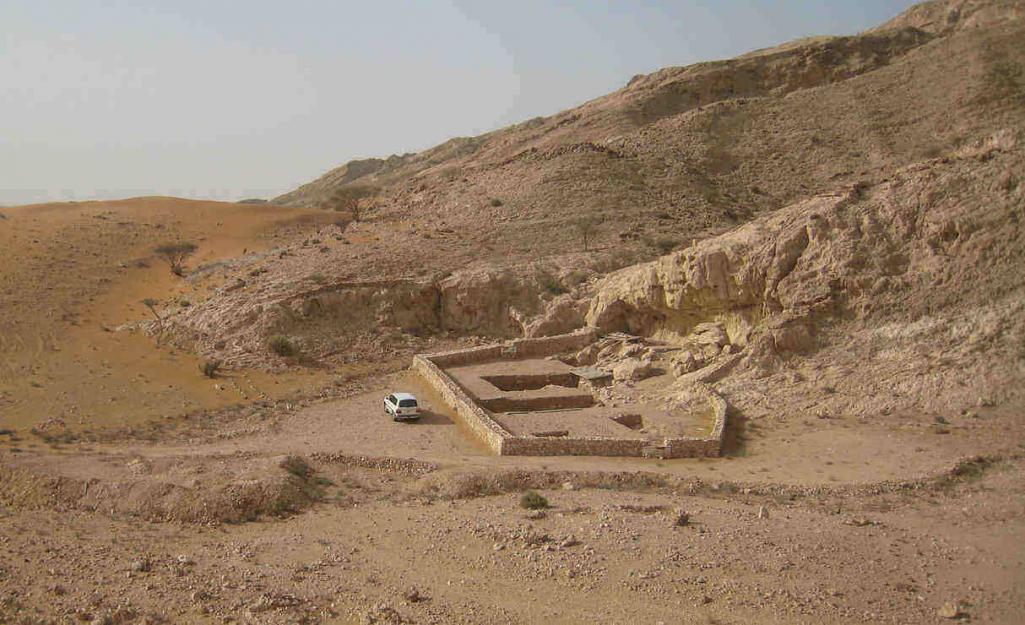
FAY-NE1 Site at Jebel Faya
This site is considered key to studying early human history in the southeastern Arabian Peninsula. It contains a sequence of occupation layers spanning a period of at least 130,000 years. Such a substantial accumulation of archaeological deposits is rare, making Jebel Faya a cornerstone of Palaeolithic research in the Arabian Peninsula.
Primitive hunter-gatherer groups settled at the foothills of Jebel Faya approximately 125,000 years ago, leaving behind a collection of tools that are now considered the earliest documented evidence of human presence not only in the territory of the modern Emirate of Sharjah but also in southern Arabia as a whole.
These stone tools belong to Assemblage C and show similarities to assemblages from other parts of southern Arabia, including Yemen, Oman, and Saudi Arabia. This suggests that southern Arabia was occupied around 125,000 years ago by related human populations. Assemblage C also exhibits similarities to assemblages from East Africa, suggesting that our ancestors may have migrated from East Africa to other parts of the world through the southern Arabian Peninsula.
In contrast, the more recent occupation phases at Jebel Faya indicate an absence of clear connections between southeastern Arabia and other parts of the Arabian Peninsula, as the stone tools belonging to Assemblages B and A are not known elsewhere in the region. This suggests that the human groups who settled at the foothills of Jebel Faya during these periods may have originated from outside the Arabian Peninsula.
Stone tool Assemblage A was produced by hunter-gatherer groups approximately 40,000 years ago. Shortly afterwards, the Jebel Faya region became inhospitable due to harsh, dry climatic conditions.
With the onset of more favourable climatic conditions approximately 10,000 years ago, people returned to settle in the Jebel Faya region. This time, they brought with them the foundations of a distinctive material culture. Once again, the most remarkable stone tools—distinctively crafted arrowheads—suggest that these groups originated from beyond the immediate surrounding region of the modern Emirate of Sharjah.
Related Sites
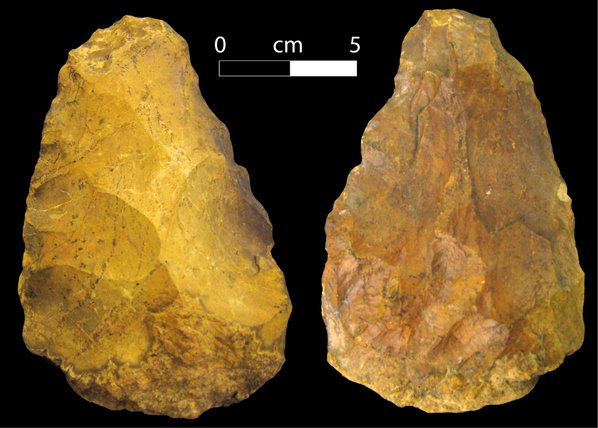
Suhaila Site
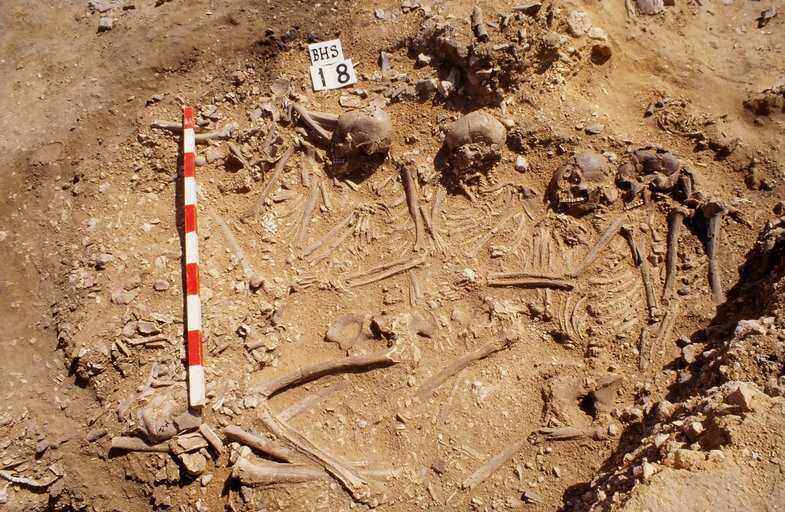
Jebel Buhais Site (Buhais 18)
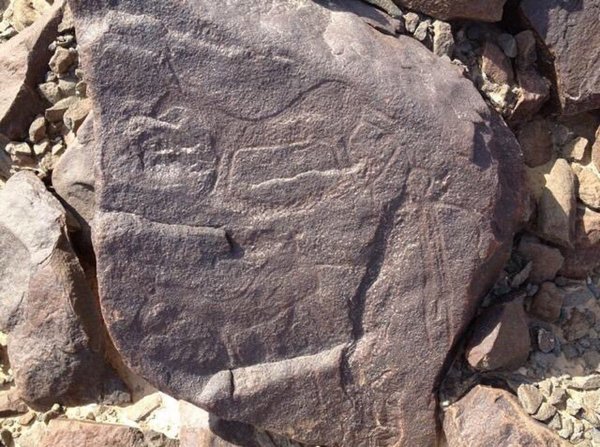
Khatm Milahah Site
