

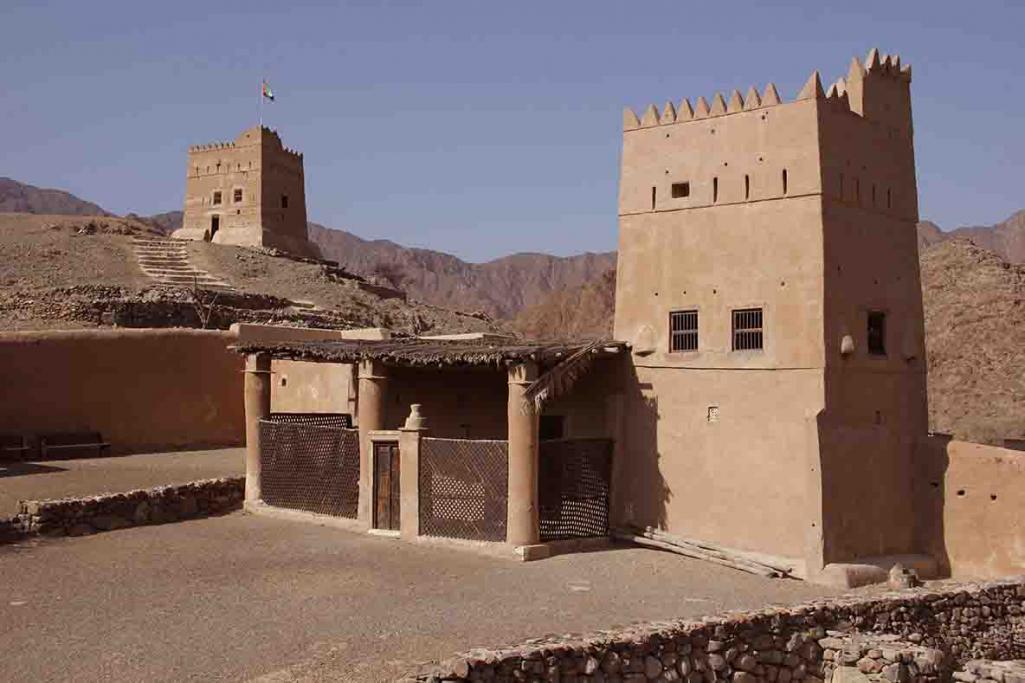
Al Hail Fort is one of the important forts occupying a strategic location at the intersection of several routes. It was built in Al Hail village, on the western bank of Wadi Al Hail, atop a mountain approximately 40 metres above the valley floor. Al Hail village lies about 13 km southwest of Fujairah city. Based on the results of carbon-14 analysis, the fort was built in 1930. After the fort fell into ruin, the Al Hail Square Tower was constructed on an elevated mound approximately 15 metres above ground level. It consists of two floors, with the rooftop designated for surveillance and defence through openings and firing slits. The tower offers clear views in all four directions across the surrounding area. Both the fort and the tower were built using traditional local materials, including fired clay, wooden beams, palm fronds, and strong kandul wood for the roofs.
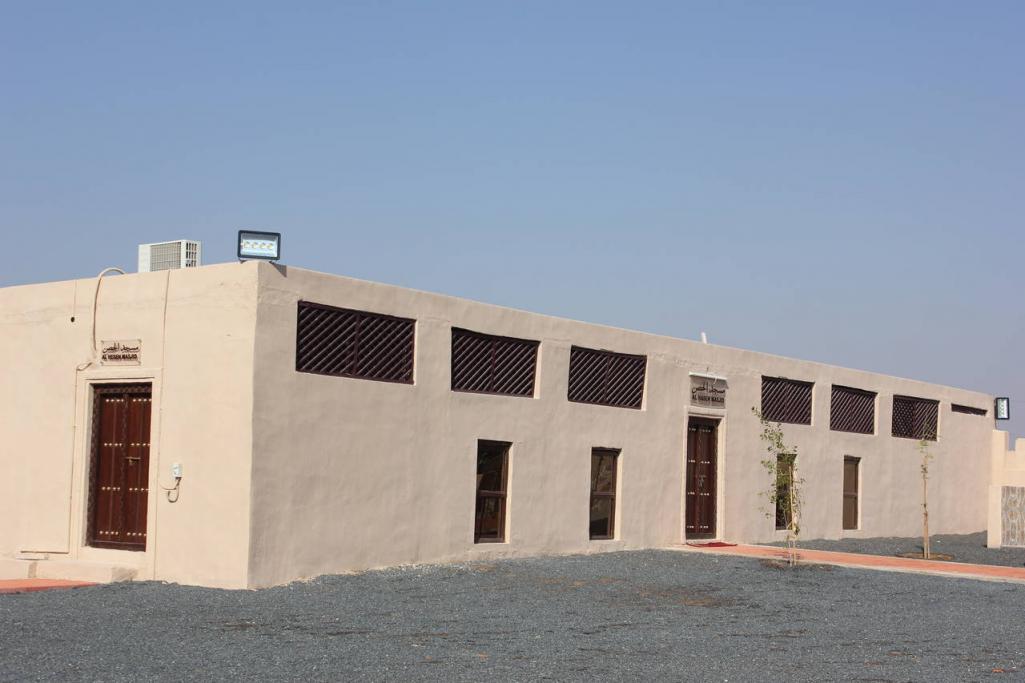
Near the Al Hail Square Tower, the late Sheikh Abdullah bin Hamdan Al Sharqi built a large private residence comprising a two-storey square tower, several storage rooms and other rooms, a kitchen, indoor and outdoor majlis areas, and a mosque serving the village. The residence is enclosed by a wall with openings.
In 2003, the Fujairah Department of Heritage and Antiquities restored the Al Hail Square Tower and the archaeological sites using the same local materials that had been used in the original construction.
Related Sites
Falaj Al Mualla Mosque
Al Shariah
Bin Halees Tower