Please ensure Javascript is enabled for purposes of website accessibility
Element Name
Al ‘Ayyalah
Other Names
Ardah or Razif
Practice Environment
Desert, Urban
Practice Location
All Emirates of the UAE
Scope of Practice
Folk artists
Heritage Domain/ Category
Performing Arts
Element Type/ Subcategory
Artistic performance
Current Status
Living heritage

Al ‘Ayyalah

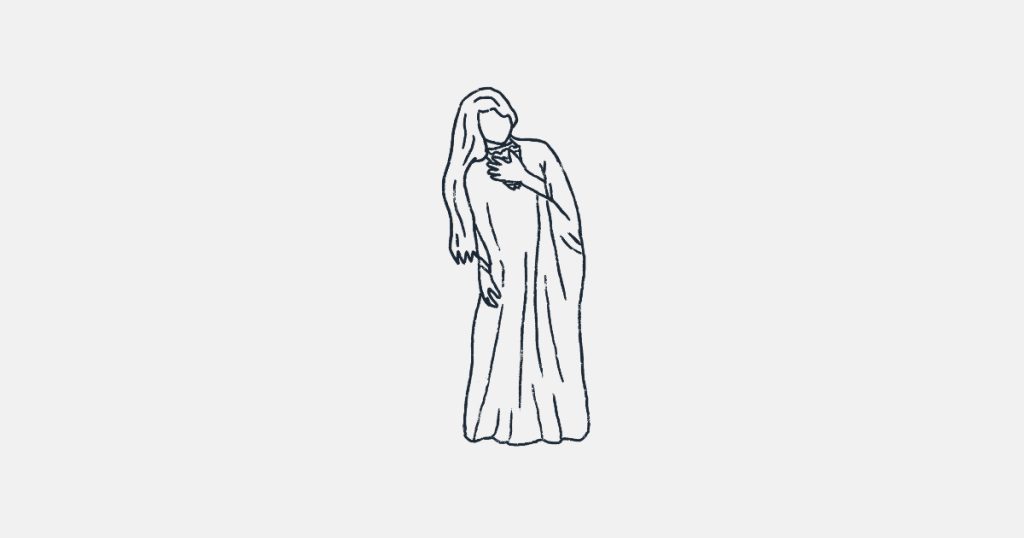
Al Ayyalah is one of the most prominent folk performing arts in the United Arab Emirates and holds a distinguished place among the traditional arts of the Arabian Gulf, symbolising identity, belonging and social cohesion. It is an ancient and deeply rooted Arab tradition whose precise origins are difficult to determine. Historically, it developed as a collective performance combining dance, singing and coordinated rhythmic movement. Al Ayyalah is performed on a wide range of social and national occasions and is regularly featured at official events and before Heads of State and distinguished guests as a living expression of authentic Emirati values. The performance consists of two closely formed rows of men facing one another, with participants linking hands behind their backs in a formation that embodies solidarity, tribal cohesion and the spirit of unity. A professional musical ensemble stands between the two rows, playing drums, frame drums and tous (brass percussion instruments), coordinating the rhythm and lending the performance a solemn yet celebratory character. Al Ayyalah encompasses a rich variety of rhythmic and vocal movements that express pride, heroism and dignity, while highlighting the collective harmony that characterises Emirati society.

Criteria Applicable to Nominate Element

01

Presence in Collective Memory and Intergenerational Cohesion: A cultural element is considered deeply rooted when it is held in the collective memory of the community and forms part of their daily experiences, occasions, and social relationships. It also contributes to strengthening the bonds of interaction between different generations, as it is transmitted from elders to younger members, providing a space for celebration and communal participation, thereby creating a sense of belonging and continuity.

02

Continuity and Intergenerational Transmission: The element is passed from one generation to the next, either orally through stories, songs, and narratives, or practically through training and hands-on practice. This living process ensures the element’s survival and development over time, while maintaining its connection to its cultural roots.

Customer pulse Search
This site is registered on wpml.org as a development site. Switch to a production site key to remove this banner.